
- Sierra Hull Shines Bright at Brown County Music Center with Milk Carton Kids
- Sax and Soul on the River: Jake Clemons’ Fiery Set at the Minnesota Yacht Club Festival
- Doobie Brothers Bring Classic Rock Fire to Ruoff Music Center – Concert Review and Photos
- Billy Idol Rocks Noblesville: A Night of Punk Energy at Ruoff Music Center
- Beck: The Cosmic Closer
- All American Rejects: The Emo Revival
Joni Mitchell’s Romantic Muses: A Timeline of Love and Songs
Joni Mitchell, born November 7, 1943, crafted a legacy as one of the most influential singer-songwriters of the 20th century, with songs like “Free Man in Paris” and “Big Yellow Taxi“, but these actually understates her importance in the world of music. Her songs, blending folk, jazz, and pop, drew deeply from her personal life, particularly her romantic relationships, many who became icons themselves. These connections with fellow musicians and artists inspired some of her most iconic songs, while also prompting her partners to pen tracks about her. Writing the romantic history of Joni Mitchell is as easy as looking at her discography.

Below, we explore a detailed timeline of Mitchell’s significant romantic partners, the songs they inspired, and the cultural context of their love stories, backed by reviews, fan discussions, and major sources like The Washington Post and Rolling Stone. This narrative, with a few photos and insights, delves into the heart of Mitchell’s music.
1964–1965: Brad MacMath
In 1964, a young Joni Mitchell, then Roberta Joan Anderson, faced a life-altering moment. Pregnant by her college boyfriend Brad MacMath, she gave birth to a daughter, Kelly Dale Anderson, in 1965. MacMath left before the birth, and Mitchell, unable to support a child alone, made the painful decision to place her daughter for adoption. This experience shaped one of her most poignant songs.
- Songs by Joni Mitchell:
- Little Green (written 1967, released on Blue, 1971): A tender reflection on giving up her daughter, with lyrics like “Call her green and the winters cannot fade her.” Fans on platforms like Reddit praise its raw emotion, calling it a “heart-wrenching masterpiece” r/LetsTalkMusic.
- Songs by Brad MacMath: None, as he was not a musician.
The song’s vulnerability resonates deeply, capturing Mitchell’s early struggles as a single mother in her early 20s, a theme that recurs in her work.
1965–1967: Chuck Mitchell
In June 1965, Mitchell married folk singer Chuck Mitchell, performing as a duo in Detroit and New York. Their marriage, marked by tension, ended in divorce by early 1967. Mitchell later described Chuck as her “first major exploiter,” hinting at emotional manipulation The Washington Post.
- Songs by Joni Mitchell:
- I Had a King (1968, Song to a Seagull): This track details the collapse of their marriage, with lines like “I can’t go back there anymore.” Reviews from The Pop History Dig note its sharp lyrical insight into personal betrayal.
- Songs by Chuck Mitchell: None directly tied to Joni, as his songwriting career was less prominent.
This period marked Mitchell’s transition from a struggling artist to a solo act, setting the stage for her breakout success, with “I Had a King” capturing her sense of betrayal and independence.
1967–1968: Leonard Cohen

Mitchell met Leonard Cohen, born September 21, 1934, at the 1967 Newport Folk Festival through Judy Collins. Their brief romance, lasting about a year, was intense, with Cohen’s poetic influence shaping Mitchell’s songwriting. She admired his song “Suzanne,” which raised her creative standards Far Out Magazine.
- Songs by Joni Mitchell:
- Rainy Night House (1970, Ladies of the Canyon): A farewell to their romance, set in Laurel Canyon, with lyrics evoking their shared intimacy.
- The Gallery (1969, Clouds): Inspired by Cohen’s enigmatic persona, reflecting their dynamic.
- A Case of You (1971, Blue): Partially about Cohen, with lines like “I am as constant as a northern star” nodding to his poetic style, as noted in Rolling Stone.
- Possibly “The Gallery” (1969, Clouds), addressing his enigmatic persona.
- Songs by Leonard Cohen: None explicitly confirmed, though fans speculate songs like “Chelsea Hotel #2” (1974) may reference Mitchell indirectly, a claim unverified by major sources.
Their connection, though short, left a lasting mark, with fans on X discussing how Cohen’s brooding style influenced Mitchell’s lyrical depth X posts.
1967–1968: David Crosby

David Crosby, born August 14, 1941, met Mitchell in 1967 in Coconut Grove, Florida. He produced her debut album, Song to a Seagull (1968), but their romance ended due to Crosby’s infidelity. Mitchell publicly confronted him, showcasing her boldness FamousFix.
- Songs by Joni Mitchell:
- That Song About the Midway (1969, Clouds): A pointed response to Crosby’s cheating, with references to his “sky-high harmonies.” Fans on Reddit note its biting tone r/LetsTalkMusic.
- The Dawntreader (1968, Song to a Seagull): Captures their transient romance, with poetic imagery.
- Songs by David Crosby: None directly confirmed, though his production work on Mitchell’s debut reflects their creative bond.
Crosby’s role as a mentor and lover helped launch Mitchell’s career, but their breakup fueled her fierce independence.
1968–1970: Graham Nash

Graham Nash, born February 2, 1942, met Mitchell in March 1968 after a Hollies concert in Ottawa. Their romance blossomed in Laurel Canyon, where they lived together, but ended in 1970 after a tumultuous European tour and Nash’s drug use. Mitchell’s telegram, “If you hold sand too tightly in your hand, it will run through your fingers,” marked their breakup, according to Distractify.
- Songs by Joni Mitchell:
- My Old Man (1971, Blue): A tribute to their domestic life, with lyrics like “We don’t need no piece of paper from the city hall.”
- River (1971, Blue): Reflects the sorrow of their breakup, with fans on X calling it a “timeless heartbreak anthem” X posts.
- A Case of You (1971, Blue): Partially inspired by Nash, capturing their intense connection.
- “Willy” (1970, Ladies of the Canyon): About Nash, whose middle name is William, reflecting their domestic life.
- Songs by Graham Nash:
- Our House (1970, Déjà Vu by Crosby, Stills, Nash & Young): Celebrates their Laurel Canyon life, with its “two cats in the yard” imagery.
- Lady of the Island (1969, Crosby, Stills & Nash): Inspired by Mitchell, reflecting their romantic bond.
- Better Days (1971, Songs for Beginners): Reflects on their relationship.
- I Used To Be A King (1971, Songs for Beginners): Another song inspired by their time together.
Their love story, a cornerstone of the Laurel Canyon scene, produced some of the era’s most enduring songs, as noted in The Culture Crush.
1970–1971: James Taylor

Mitchell met James Taylor, born March 12, 1948, around 1970 during the recording of Carole King’s Tapestry. Their passionate relationship ended in 1971, strained by Taylor’s heroin addiction and rising fame. Mitchell’s devastation fueled some of her rawest work Parade.
- Songs by Joni Mitchell:
- See You Sometime (1972, For the Roses): Reflects on their breakup, with possible nods to Taylor’s Mud Slide Slim album cover (suspenders). Fans on X highlight its bittersweet tone X posts.
- Cold Blue Steel and Sweet Fire (1972, For the Roses): A stark portrayal of Taylor’s addiction, with haunting imagery.
- Just Like This Train (1974, Court and Spark): Expresses jealousy and longing for Taylor’s company.
- Blonde in The Bleachers (1972, For the Roses) The cost of fame for them both.
- Songs by James Taylor:
- You Can Close Your Eyes (1971, Mud Slide Slim and the Blue Horizon): Written for Mitchell, performed as a duet in 1970, as noted in Rolling Stone.
Taylor’s influence on Mitchell’s Blue and For the Roses eras is undeniable, with fans on Reddit praising the raw honesty of her lyrics r/LetsTalkMusic.
1970: Cary Raditz
In 1970, Mitchell met Cary Raditz, a non-musician, during her travels in Crete. Their brief fling inspired vibrant songs on Blue, capturing a carefree moment in her life Parade.
- Songs by Joni Mitchell:
- Carey (1971, Blue): A lively ode to Raditz, with lyrics like “Come on down to the Mermaid Café.”
- California (1971, Blue): Partially inspired by Raditz, reflecting her travels and homesickness.
- Songs by Cary Raditz: None, as he was not a musician (later an investment strategist).
These songs stand out for their vivid imagery, with fans on X noting their “sun-soaked nostalgia” X posts.
1972: Jackson Browne
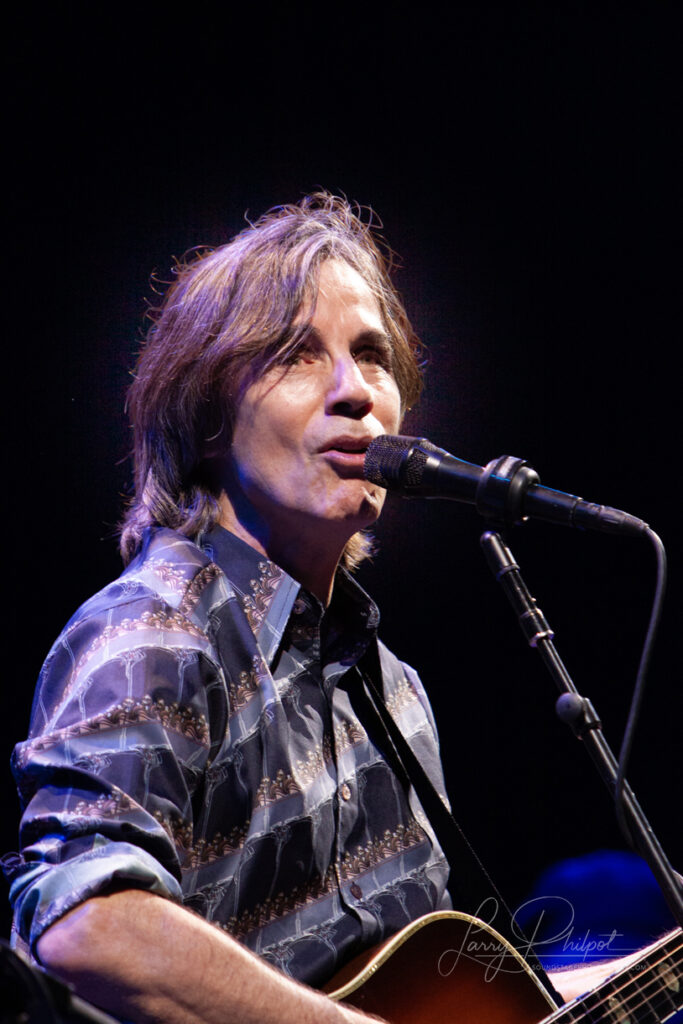
Mitchell dated Jackson Browne, born October 9, 1948, in 1972. Their turbulent relationship, marred by rumors of Mitchell’s suicide attempt (which she denied), inspired songs by both Rolling Stone.
- Songs by Joni Mitchell:
- Car on a Hill (1974, Court and Spark): Captures the painful end of their affair, with restless energy.
- Songs by Jackson Browne:
- Fountain of Sorrow (1974, Late for the Sky): Written about Mitchell, reflecting their emotional fallout.
Their brief but intense connection left a mark, with fans on Reddit discussing the mutual inspiration in their work r/LetsTalkMusic.These songs stand out for their vivid imagery, with fans on X noting their “sun-soaked nostalgia”
1973–1974: John Guerin
Mitchell shared a home with drummer John Guerin, born October 31, 1939, during the recording of Court and Spark (1974). Their romance influenced her jazz-inflected sound FamousFix.
- Songs by Joni Mitchell:
- Help Me (1974, Court and Spark): About falling for Guerin, a “rambler and gambler,” doomed by his love for freedom.
- Blue Motel Room (1976, Hejira): A wry take on her jealousy of the women surrounding Guerin, as noted in Far Out Magazine
- Possibly “Amelia” (1976, Hejira), inspired by their breakup.
- Songs by John Guerin: None, as he was primarily a drummer, not a songwriter.
This relationship marked Mitchell’s shift toward jazz, with Help Me becoming a chart-topping hit.
1975: Sam Shepard
Mitchell met playwright and actor Sam Shepard, born November 5, 1943, during Bob Dylan’s Rolling Thunder Revue in November 1975. Their brief romance, fueled by the tour’s chaotic energy, inspired a key track X post by @jonimitchell.
- Songs by Joni Mitchell:
- Coyote (1976, Hejira): Captures their fleeting connection, with lines like “No regrets, Coyote.”
- Songs by Sam Shepard: None, as he was primarily a playwright and actor.
Fans on X praise Coyote for its vivid storytelling, reflecting Mitchell’s ability to distill complex emotions X posts.
1975–1978: Don Alias
Mitchell met jazz percussionist Don Alias, born December 25, 1939, during the recording of The Hissing of Summer Lawns (1975). Their three-and-a-half-year relationship was serious but strained by Alias’s physical abuse and Mitchell’s cocaine use during the Rolling Thunder Revue Rolling Stone.
- Songs by Joni Mitchell: No specific songs directly confirmed, though Alias’s percussion work on Hejira and Don Juan’s Reckless Daughter shaped their sound.
- Songs by Don Alias: None, as he was a percussionist, not a songwriter.
Their collaboration pushed Mitchell’s jazz exploration, though personal struggles overshadowed their creative bond.
1982–1994: Larry Klein
Mitchell married musician and producer Larry Klein, born 1956, in 1982. They collaborated on albums like Wild Things Run Fast (1982) and Turbulent Indigo (1994), divorcing in 1994 but remaining professional partners FamousFix.
- Songs by Joni Mitchell: No specific songs directly tied to Klein, though their partnership influenced her 1980s and 1990s work, including Stay in Touch (1998, Taming the Tiger), which nods to her reunited daughter.
- Songs by Larry Klein: None explicitly about Mitchell, though his production shaped her sound.
Their long-term collaboration was a creative high point, with fans on Reddit noting Klein’s role in her polished sound r/LetsTalkMusic.
Legacy and Influence
Joni Mitchell’s relationships were more than personal stories; they were the lifeblood of her music. From the heartbreak of giving up her daughter to the fleeting romances with folk and rock legends, each connection shaped her lyrical and musical evolution. Her ability to transform love and loss into art inspired songs by her partners, creating a rich dialogue in music history. Fan communities on platforms like Reddit and X continue to celebrate her work, with posts highlighting songs like River and A Case of You as timeless X posts. Photos from her Laurel Canyon days, shared by fans, capture the era’s bohemian spirit, making her story visually compelling for search engines.
Mitchell’s influence extends beyond her ex-lovers. Artists like Taylor Swift, Björk, and Prince have cited her as a muse, with Swift praising Blue for its raw honesty Rolling Stone. Her courage to bare her soul, despite criticism from outlets like Rolling Stone, which once dubbed her “Old Lady of the Year,” cemented her as a trailblazer The Culture Crush. Her music remains a touchstone for those exploring love, loss, and artistic freedom.


Related Posts





Latest Backstories
-
 Remembering Bob Weir: Grateful Dead Co-Founder and Rhythm Guitar Icon Passes at 78
Bob Weir, the charismatic rhythm guitarist, singer, and songwriter...
- January 11, 2026
-
 Big Yellow Taxi: Joni Mitchell’s Anthem of Loss and Realization
Joni Mitchell’s “Big Yellow Taxi,” released in 1970, is...
- August 2, 2025
-
 Backstory: The True Inspiration Behind James Taylor’s “You Can Close Your Eyes”
For such a short, simple song, this analysis is...
- July 14, 2025
-
 Unveiling the Story Behind Joni Mitchell’s “Blonde in the Bleachers”
Joni Mitchell, born November 7, 1943, remains a towering...
- July 14, 2025
-
 The True Story Behind Elton John’s “Someone Saved My Life Tonight”
Elton John, born March 25, 1947, crafted countless hits...
- July 14, 2025
-
 Joni Mitchell’s Romantic Muses: A Timeline of Love and Songs
Joni Mitchell, born November 7, 1943, crafted a legacy...
- July 13, 2025
One Comment