
- Sierra Hull Shines Bright at Brown County Music Center with Milk Carton Kids
- Sax and Soul on the River: Jake Clemons’ Fiery Set at the Minnesota Yacht Club Festival
- Doobie Brothers Bring Classic Rock Fire to Ruoff Music Center – Concert Review and Photos
- Billy Idol Rocks Noblesville: A Night of Punk Energy at Ruoff Music Center
- Beck: The Cosmic Closer
- All American Rejects: The Emo Revival
Remembering Bob Weir: Grateful Dead Co-Founder and Rhythm Guitar Icon Passes at 78
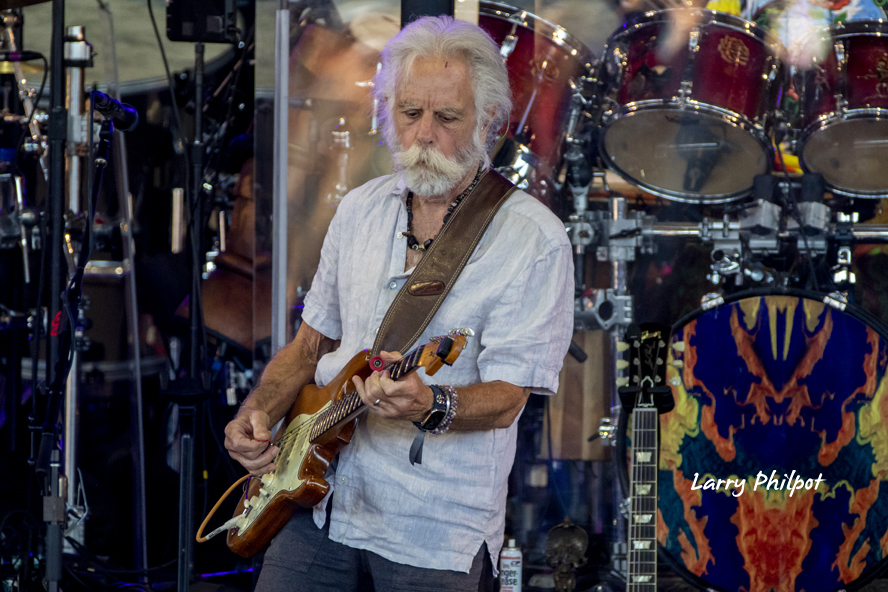
Bob Weir, the charismatic rhythm guitarist, singer, and songwriter who helped shape the psychedelic rock era as a founding member of the Grateful Dead, has left us at the age of 78. According to a statement from his family, Weir passed away peacefully on January 10, 2026, surrounded by loved ones, succumbing to underlying lung issues shortly after overcoming a cancer diagnosis. For fans—affectionately known as Deadheads—this loss marks the end of an era, but Weir’s music, spirit, and enduring influence will jam on forever. From his teenage beginnings in San Francisco’s vibrant scene to leading post-Dead projects, Weir’s life was a testament to creativity, community, and the power of live music.
Early Life and the Birth of a Legend
Born Robert Hall Weir on October 16, 1947, in San Francisco, California, Weir was adopted into a well-to-do family but struggled with dyslexia, leading him to bounce between schools. Music became his refuge. At just 16, on New Year’s Eve 1963, he met Jerry Garcia at a music store in Palo Alto, where Garcia was teaching banjo. The two bonded instantly over bluegrass and folk tunes. Along with Ron “Pigpen” McKernan, Bill Kreutzmann, and Phil Lesh, they formed The Warlocks in 1965, soon renaming to the Grateful Dead after a phrase from a dictionary caught their eye.
The band quickly became central to the counterculture movement, performing at Ken Kesey’s Acid Tests and embodying the free-spirited San Francisco Sound. Weir’s role evolved from backup to essential, his distinctive rhythm guitar style—often weaving intricate patterns around Garcia’s leads—becoming a hallmark of the Dead’s improvisational jams.
Musical Contributions and Global Impact
Weir’s songwriting shone through classics like “Sugar Magnolia,” “Playing in the Band,” “Truckin’,” and “Estimated Prophet,” blending folk, country, rock, and psychedelia into anthems that captured the nomadic, exploratory ethos of the era. His high-tenor vocals provided a perfect counterpoint to Garcia’s, creating harmonies that defined albums like Workingman’s Dead (1970) and American Beauty (1970), which brought the band mainstream success.
Beyond the music, Weir’s impact rippled through the industry. The Grateful Dead pioneered the jam band genre, inspiring acts like Phish and Widespread Panic. Their commitment to live performances—over 2,300 shows—fostered a devoted fan base that traded tapes, followed tours, and built a subculture around peace, love, and extended solos. Weir’s environmental activism, including support for the Rainforest Action Network, and his embrace of technology, like early internet fan engagement, showed his forward-thinking side. He helped turn the Dead into a cultural phenomenon, influencing everything from music festivals to business models for independent artists.
Life After the Dead and Continued Innovation
Following Jerry Garcia’s death in 1995, which effectively ended the Grateful Dead, Weir didn’t slow down. He formed RatDog, releasing albums and touring extensively, keeping the improvisational flame alive. Collaborations followed: The Other Ones, The Dead, Furthur with Phil Lesh, and most notably, Dead & Company starting in 2015, where he teamed with John Mayer, Oteil Burbridge, and others. Their tours grossed millions, introducing the Dead’s catalog to new generations.
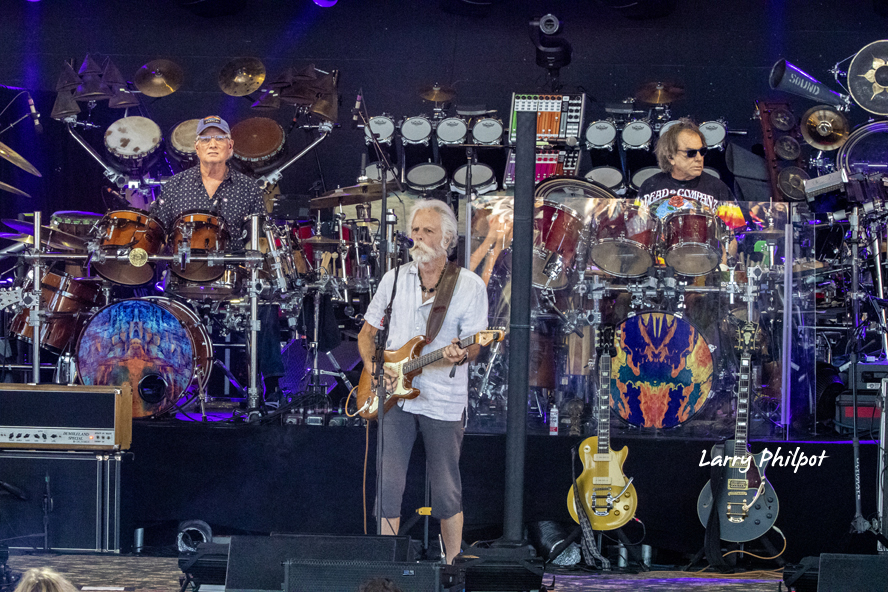
Weir also pursued solo work, beginning with 1972’s Ace, and later projects like Blue Mountain (2016), blending cowboy folk with rock. His induction into the Rock and Roll Hall of Fame with the Dead in 1994 and a Lifetime Achievement Grammy in 2007 underscored his lasting contributions.
An Entertaining Anecdote: Turbulence with a Twist
One story that captures Weir’s playful mischief comes from Dennis McNally’s book A Long Strange Trip. During the band’s charter flights, whenever the plane hit turbulence, Weir would dramatically yell, “We’re all gonna die! We’re all gonna die!”—freaking out passengers but cracking up Jerry Garcia. It highlighted Weir’s humor, a key ingredient in the band’s longevity and the “secret sauce” of their camaraderie.
Legacy and Final Reflections
In his final months, diagnosed with cancer in July 2025, Weir beat the disease but faced lung complications. True to form, he performed until near the end, including a hometown celebration in San Francisco’s Golden Gate Park. Survived by his wife Natascha and daughters, Weir leaves a legacy of joy, exploration, and unity. As he once said, the music was about “constant revolution.” For Deadheads worldwide, Bob Weir’s rhythm will echo eternally—keep on truckin’, Bobby.


Related Posts



Latest Backstories
-
 Remembering Bob Weir: Grateful Dead Co-Founder and Rhythm Guitar Icon Passes at 78
Bob Weir, the charismatic rhythm guitarist, singer, and songwriter...
- January 11, 2026
-
 Big Yellow Taxi: Joni Mitchell’s Anthem of Loss and Realization
Joni Mitchell’s “Big Yellow Taxi,” released in 1970, is...
- August 2, 2025
-
 Backstory: The True Inspiration Behind James Taylor’s “You Can Close Your Eyes”
For such a short, simple song, this analysis is...
- July 14, 2025
-
 Unveiling the Story Behind Joni Mitchell’s “Blonde in the Bleachers”
Joni Mitchell, born November 7, 1943, remains a towering...
- July 14, 2025
-
 The True Story Behind Elton John’s “Someone Saved My Life Tonight”
Elton John, born March 25, 1947, crafted countless hits...
- July 14, 2025
-
 Joni Mitchell’s Romantic Muses: A Timeline of Love and Songs
Joni Mitchell, born November 7, 1943, crafted a legacy...
- July 13, 2025
0 comments