
- Sierra Hull Shines Bright at Brown County Music Center with Milk Carton Kids
- Sax and Soul on the River: Jake Clemons’ Fiery Set at the Minnesota Yacht Club Festival
- Doobie Brothers Bring Classic Rock Fire to Ruoff Music Center – Concert Review and Photos
- Billy Idol Rocks Noblesville: A Night of Punk Energy at Ruoff Music Center
- Beck: The Cosmic Closer
- All American Rejects: The Emo Revival
Backstory: The True Inspiration Behind James Taylor’s “You Can Close Your Eyes”
For such a short, simple song, this analysis is long. Fair warning!
In the soft strums of James Taylor’s acoustic guitar, a tender lullaby was born, one that carries the weight of a fleeting romance and the beauty of a moment captured in time. “You Can Close Your Eyes,” a track from Taylor’s 1971 album Mud Slide Slim and the Blue Horizon, isn’t just a soothing melody. It’s a love letter, a quiet promise, and a reflection of a deeply personal experience tied to one of the most iconic musical relationships of the era—his romance with Joni Mitchell.
Born on March 12, 1948, Taylor was navigating the highs and lows of fame, love, and creative exploration when this song came to life. I’ll dive into the story behind its creation, the circumstances that shaped it, and the lyrics that reveal its heart.

A Southwest Sojourn: The Setting for Inspiration
In the summer of 1970, James Taylor found himself in the dusty expanse of New Mexico, filming his first and only starring role in the cult classic road movie Two-Lane Blacktop. The experience was grueling. Taylor, a musician at heart, didn’t enjoy acting, and the demanding schedule left him drained. But amidst the chaos of the film set, a bright spot emerged: Joni Mitchell, his then-girlfriend, came to visit. Born on November 7, 1943, Mitchell was already a towering figure in folk music, her poetic lyrics and innovative guitar work captivating audiences. Their relationship, though brief, was a meeting of two creative giants, each inspiring the other during a pivotal moment in their careers.
The couple spent time together in the Southwest, cruising the open roads in a camper with Taylor’s co-star Warren Oates. They indulged in mescaline, a psychedelic drug that added a layer of surreal freedom to their adventures. One evening, after a long day of filming in Albuquerque, Taylor retreated to his hotel room in Tucumcari, New Mexico. There, with the quiet of the night settling around him, he picked up his guitar and began to craft “You Can Close Your Eyes.” The song, described by Taylor himself as a “secular hymn,” was written for Mitchell, a gesture of comfort and love born from their shared moments in the desert. Songfacts
A Lullaby for Joni: The Emotional Core
Taylor’s intention was clear: he wanted to create something soothing, a lullaby to ease the heart of someone he cared for deeply. The song’s simplicity—just Taylor’s voice and acoustic guitar—belies its emotional depth. It’s a moment of vulnerability, a quiet reassurance meant to cradle Mitchell in a time of need. Their relationship, though passionate, was not without its challenges. Both artists were at the peak of their creative powers, but their personal lives were complicated by the pressures of fame and Taylor’s struggles with addiction. The song captures a fleeting sense of peace, a desire to hold onto a precious moment.
Mitchell, in turn, was deeply affected by their time together. She later spoke fondly of their musical chemistry, noting how Taylor’s guitar “locked up” with her dulcimer during their joint performances, creating a sound that felt like a single instrument. Rolling Stone Their connection was undeniable, and “You Can Close Your Eyes” became a landmark in music because of their bond, even as their romance would soon fade.
Lyric Analysis: A Window into the Heart
The lyrics of “You Can Close Your Eyes” are deceptively simple, yet they carry a profound emotional weight. I’ll break down key lines to uncover their connection to Joni and the circumstances of their creation.
“Well the sun is surely sinking down / But the moon is slowly rising / So this old world must still be spinning ‘round / And I still love you”
These opening lines paint a picture of a world in motion, transitioning from day to night. The imagery of the sun setting and the moon rising mirrors the fleeting nature of Taylor and Mitchell’s time together in New Mexico. The line “And I still love you” is a quiet declaration, grounding the imagery to personal emotion. Clearly, Taylor is reassuring Mitchell that, despite the chaos of their lives, his feelings remain steadfast. The cyclical nature of the world spinning suggests continuity, a promise that love endures even as moments pass.
“So close your eyes, you can close your eyes, it’s all right / I don’t know no love songs / And I can’t sing the blues anymore”
Here, Taylor offers comfort, urging Mitchell to rest and let go of her worries. The repetition of “close your eyes” is intimate, like a whispered lullaby meant for one person alone. The admission that he doesn’t know love songs or the blues adds a layer of vulnerability. Taylor, the master storyteller, is confessing his limitations, suggesting that this song is his unique way of expressing love—a gift crafted specifically for Mitchell. The shift away from the blues, I believe, is reassuring her of a moment of hope, a departure from the pain that often colored their lives.
“But I can sing this song / And you can sing this song when I’m gone”
This line carries a bittersweet, no, heartbreaking edge. Taylor seems to acknowledge the impermanence of their time together, whether due to the demands of their careers, the filming schedule, as foreshadowing the looming end of their relationship. The idea that Mitchell can “sing this song when I’m gone” suggests a legacy of love, a melody she can carry with her even after they part ways. It’s a sad reminder of the transient nature of their romance, yet it offers wisdom of an enduring connection through music.
“It won’t be long before another day / We gonna have a good time / And no one’s gonna take that time away / You can stay as long as you like”
These closing lines are filled with optimism, promising a future moment of joy. The assurance that “no one’s gonna take that time away” feels like a vow to keep this moment with him forever. The invitation to “stay as long as you like” is tender, leaving the door open for Mitchell to linger in the moment, in the song, and in their love. Genius Lyrics
The Musical Context: A Collaboration of Souls
The song’s creation didn’t happen in isolation. Taylor and Mitchell’s relationship was deeply intertwined with their music. In 1970, they performed together at the Paris Theatre in London for a BBC In Concert broadcast, where “You Can Close Your Eyes” was debuted as a duet. Mitchell introduced the song to the audience, calling it a lullaby and praising its beauty. Their voices blended seamlessly, with Mitchell’s higher register soaring above Taylor’s warm baritone. The performance, later released as part of Joni Mitchell Archives Vol. 2: The Reprise Years (1968-1971), captures the intimacy of their connection. Rhino . Here is that brief performance:
Their collaboration extended beyond this song. Taylor played guitar on several tracks from Mitchell’s seminal album Blue, including “All I Want,” “California,” “Carey,” and “A Case of You.” Mitchell, in turn, inspired songs on Taylor’s Mud Slide Slim, and their shared time in the Laurel Canyon scene—a hub of creativity in Los Angeles—shaped their work. Mitchell later drew on their relationship for her own songs, such as “See You Sometime” from 1972’s For the Roses. Far Out Magazine
The song’s place in Taylor’s catalog is unique. Unlike his more narrative-driven hits like “Fire and Rain,” “You Can Close Your Eyes” is a moment of pure emotion, unburdened by specific events or tragedy. It’s a snapshot of a time when two young artists, in love and at the peak of their creativity, found solace in each other. The desert nights, the open road, and the quiet of a hotel room all converge in this lullaby, making it a timeless piece of their shared history that, Fifty years later, will move you.
A Bittersweet Farewell: The End of a Romance
Taylor and Mitchell’s romance, though brief, was a spark that lit up their creative worlds. By 1971, their paths diverged, pulled apart by the relentless demands of fame, personal struggles, and the natural ebb of young love. Taylor, born March 12, 1948, married Carly Simon in 1972, embarking on a new chapter that would shape his life and music. Mitchell, born November 7, 1943, poured her heart into albums like Court and Spark, pushing the boundaries of folk and jazz. Yet, their connection never fully faded. In 1985, Mitchell lent her voice to Taylor’s “Only One,” a quiet nod to their shared history. Years later, in 2000, Taylor performed Mitchell’s “River” at a tribute concert, his gentle delivery carrying the weight of their past. Medium
“You Can Close Your Eyes” remains a frozen moment from their time together, a lullaby that holds the tenderness of their Southwest nights. For fans, it’s a window into a fleeting romance between two musical giants, a song that resonates with anyone who’s ever loved and had to let go.
The Desert’s Lasting Echoes: The Song’s Creation
The circumstances surrounding “You Can Close Your Eyes” are as vivid as the song itself. Taylor’s time in New Mexico was a catalyst. The long days on the set of Two-Lane Blacktop left him yearning for simplicity, a way to ground himself amidst the chaos. And, it’s hot not much going on out there. Mitchell’s visit brought a sense of calm, her presence a reminder of the music that defined them both. Their mescaline-fueled drives through the desert, with the vast sky stretching above, infused the song with a sense of freedom and introspection. In a Tucumcari hotel room, Taylor found the space to translate those feelings into chords and words.
The song’s structure reflects that simplicity. Its acoustic foundation, built around a delicate riff, feels like a conversation between Taylor and Mitchell. The melody is also simple, letting the lyrics carry the emotional weight. Taylor has called it a “secular hymn,” a phrase that captures its spiritual quality without tying it to religion. It’s a song about trust, about offering comfort in a world that keeps spinning. For Mitchell, it was a gift—a melody to hold onto during restless nights. Songfacts
Their time in New Mexico was a sort of definition of their relationship. The open road, the shared laughter, the quiet moments in a camper—these were the threads woven into the song’s fabric. Mitchell’s influence is undeniable, not just in the lyrics but in the way Taylor’s guitar work mirrors her own innovative style. Their musical synergy, honed in places like Laurel Canyon and on stages like the Paris Theatre, gave the song its authenticity.
A Deeper Look at the Lyrics
The lyrics of “You Can Close Your Eyes” are a masterclass in economy, saying so much with so few words. Let’s explore a few more lines to see how they tie to Mitchell and their shared experience.
“I don’t know no love songs / And I can’t sing the blues anymore”
This line is particularly revealing. Taylor, a songwriter known for his introspective and often melancholic work, seems to step outside his usual framework. By saying he doesn’t know love songs, he’s admitting that this kind of direct affection is new territory. The blues, a music genre tied to pain and loss, no longer fits this moment of hope and connection. Not for James. For Mitchell, whose own work often grappled with the complexities of love, this line feels like a personal offering—a song that’s uniquely theirs.
“It won’t be long before another day / We gonna have a good time”
Here, Taylor looks forward, promising a future filled with joy. The phrase “another day” suggests a belief in renewal, a new chance to find happiness. In the context of their New Mexico nights, it’s easy to imagine Taylor saying this to Mitchell as they sat under the stars, the weight of the spinning world momentarily not affecting them. He knows the reality, but it’s a sincere hope for more moments like the ones they shared.
“And no one’s gonna take that time away / You can stay as long as you like”
These lines are the song’s emotional climax. They carry a quiet defiance, a refusal to let external forces—whether fame, schedules, or personal struggles—steal their moment. The invitation to “stay as long as you like” is both literal and metaphorical. In the immediate sense, it’s Taylor asking Mitchell to linger in their shared time. But it’s also a broader promise, a wish that the feeling of the song could endure beyond their physical presence. Genius Lyrics
The Laurel Canyon Connection: A Creative Crucible
To fully understand “You Can Close Your Eyes,” we need to step back to the broader context of Taylor and Mitchell’s lives in 1970. Both were part of the Laurel Canyon scene, a Los Angeles neighborhood that became a haven for musicians like Crosby, Stills, Nash & Young, Carole King, and Neil Young. This community was a breeding ground for creativity, with artists collaborating, competing, and inspiring each other. They even used to share songs with each other. Taylor and Mitchell’s relationship thrived in this environment, where late-night jam sessions and shared songwriting fueled their bond.
Mitchell’s influence on Taylor went beyond their romance. Her experimental approach to guitar tunings and poetic storytelling pushed Taylor to refine his own craft. In return, Taylor’s warm, grounded style offered Mitchell a counterpoint to her more cerebral work. Their collaboration on Blue—where Taylor played guitar on tracks like “A Case of You”—shows how their musical voices intertwined. “You Can Close Your Eyes” feels like an extension of that synergy, a song that could only have been written by someone who understood Mitchell’s heart. Far Out Magazine
Their performances together, like the 1970 BBC In Concert show, brought their chemistry to life. When they sang “You Can Close Your Eyes” as a duet, their voices seemed to melt into one, creating a sound that was both intimate and universal. Mitchell’s introduction of the song as a lullaby underscored its personal significance, a moment of vulnerability shared with the world. Rhino
The Song’s Ripple Effect: Covers and Performances
“You Can Close Your Eyes” didn’t just belong to Taylor and Mitchell; it became a touchstone for other artists. Kate Taylor’s 1971 recording for her album Sister Kate gave the song its first public airing, her gentle delivery highlighting its lullaby quality. When James included it on Mud Slide Slim, it became a fan favorite, often closing his live sets with its soothing chords. Over the years, artists like Linda Ronstadt, Carly Simon, and Sting have covered it, each bringing their own interpretation to its timeless message.
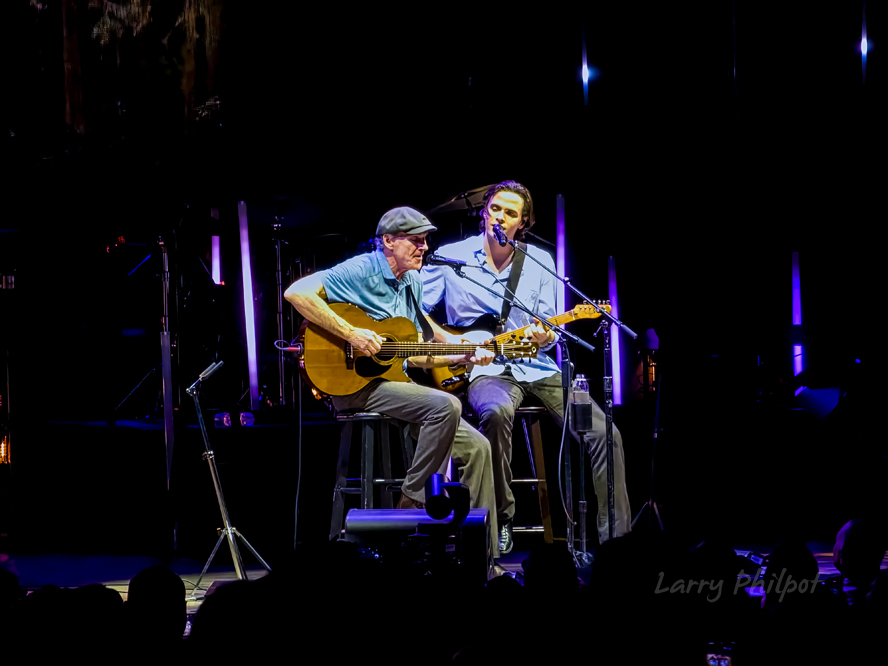
Carly Simon’s version, recorded with Taylor and their children for her 2007 album Into White, added a familial warmth, transforming the song into a generational embrace. Eddie Vedder and Sheryl Crow also took it on, their gritty and soulful takes proving its versatility. Close, but no cigar. In recent years, Taylor has performed it with his son Henry, their harmonies echoing the duet he once shared with Mitchell. While I’ve seen this live, several times, Joni will not be replaced. These performances keep the song alive, a reminder of its enduring power. Wikipedia
A Timeless Lullaby: Why It Still Matters
What makes “You Can Close Your Eyes” so special is its ability to transcend its origins. While it was born from a specific moment—Taylor and Mitchell’s desert nights in 1970—it speaks to universal emotions. The song’s message of comfort, of offering rest and reassurance, resonates with anyone who’s needed a moment of peace. The simplicity is its strength, allowing listeners to project their own stories onto its lyrics.
For Taylor, the song was a way to declare his feelings for Mitchell, to capture a moment of love before it slipped away. For Mitchell, it was a gift, a melody that carried her through turbulent times. For fans, it’s a piece of music history, a glimpse into a romance that shaped two of the 20th century’s greatest songwriters. The song’s legacy lies in its honesty, its refusal to overcomplicate a simple truth: love, even when fleeting, leaves a mark.
As we listen to “You Can Close Your Eyes” today, we’re transported to that New Mexico night, to the quiet of a hotel room where a guitar strummed softly and two hearts connected. It’s a reminder that music can hold a moment forever, even as the world keeps spinning. Whether you’re a longtime fan of Taylor and/or Mitchell or discovering the song through a grainy live recording, its power remains undimmed—a lullaby for the ages. If you’ve wondered who the voice is on the studio recording, now you know. If you’ve made it through this far, here’s your reward.


Related Posts





Latest Backstories
-
 Remembering Bob Weir: Grateful Dead Co-Founder and Rhythm Guitar Icon Passes at 78
Bob Weir, the charismatic rhythm guitarist, singer, and songwriter...
- January 11, 2026
-
 Big Yellow Taxi: Joni Mitchell’s Anthem of Loss and Realization
Joni Mitchell’s “Big Yellow Taxi,” released in 1970, is...
- August 2, 2025
-
 Backstory: The True Inspiration Behind James Taylor’s “You Can Close Your Eyes”
For such a short, simple song, this analysis is...
- July 14, 2025
-
 Unveiling the Story Behind Joni Mitchell’s “Blonde in the Bleachers”
Joni Mitchell, born November 7, 1943, remains a towering...
- July 14, 2025
-
 The True Story Behind Elton John’s “Someone Saved My Life Tonight”
Elton John, born March 25, 1947, crafted countless hits...
- July 14, 2025
-
 Joni Mitchell’s Romantic Muses: A Timeline of Love and Songs
Joni Mitchell, born November 7, 1943, crafted a legacy...
- July 13, 2025
0 comments