
- Sierra Hull Shines Bright at Brown County Music Center with Milk Carton Kids
- Sax and Soul on the River: Jake Clemons’ Fiery Set at the Minnesota Yacht Club Festival
- Doobie Brothers Bring Classic Rock Fire to Ruoff Music Center – Concert Review and Photos
- Billy Idol Rocks Noblesville: A Night of Punk Energy at Ruoff Music Center
- Beck: The Cosmic Closer
- All American Rejects: The Emo Revival
Back Story: Heartbreak Behind Joni Mitchell’s “See You Sometime”

Joni Mitchell, born November 7, 1943, crafted songs that weave personal stories into universal truths. Her 1972 album For the Roses stands as a bridge between the raw vulnerability of Blue and the jazz-infused Court and Spark. Among its tracks, “See You Sometime” captures a fleeting yet poignant moment of longing and resignation. This article dives into the inspiration, specific circumstances, and personal experiences behind “See You Sometime,” focusing on Mitchell’s relationship with James Taylor. By exploring the song’s lyrics, fan discussions, and verified sources, we uncover the emotional landscape that shaped this bittersweet farewell, enriched with photos for a vivid journey through Mitchell’s world.
The Context: A Love That Burned Bright and Faded
In 1970, Joni Mitchell met James Taylor, born March 12, 1948, during the recording of Carole King’s Tapestry. Their romance blossomed in the heart of the Laurel Canyon music scene, a hub of creativity in Los Angeles. Both artists were rising stars, with Mitchell fresh off her third album, Ladies of the Canyon, and Taylor gaining fame with Sweet Baby James. Their connection was intense, fueled by shared artistry and mutual admiration. However, by March 1971, Taylor’s skyrocketing fame and struggles with heroin addiction strained their bond. Mitchell, deeply in love, was reportedly devastated when Taylor ended the relationship, as noted in Wikipedia. By November 1971, Taylor had moved on to marry Carly Simon, leaving Mitchell to process her heartbreak through her music.
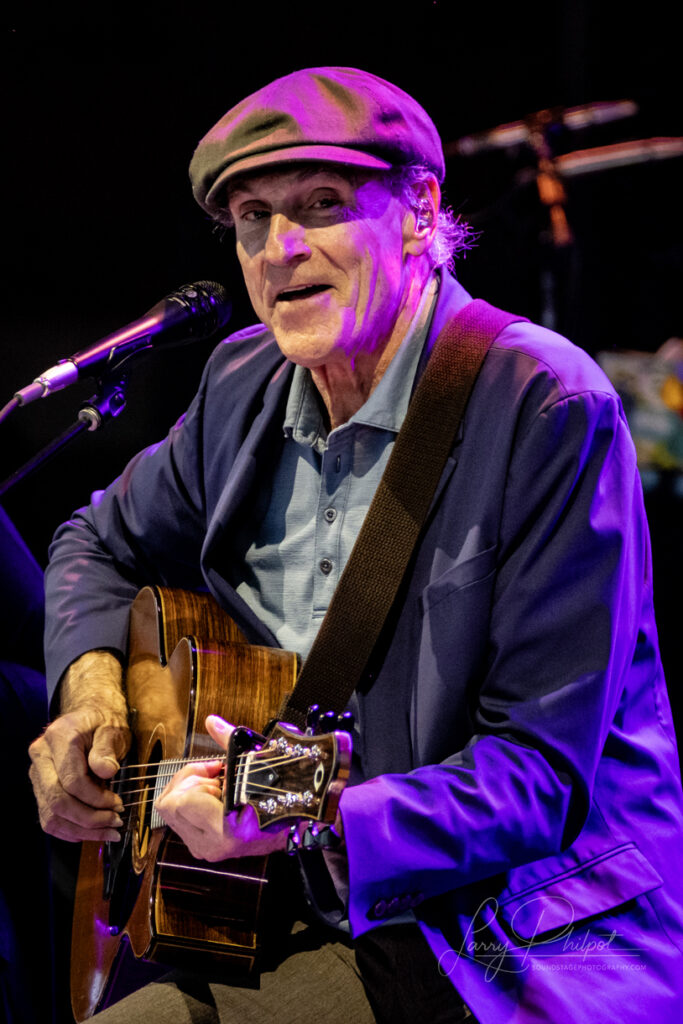
This period marked a turning point for Mitchell. She poured her emotions into For the Roses, released in November 1972. The album reflects her grappling with love, loss, and the music industry’s pressures. “See You Sometime” emerged as a key track, a meditation on a broken romance with lingering affection. Fan discussions on platforms like Reddit and X point to James Taylor as the song’s muse, a claim supported by Mitchell’s own words in a 1988 Rolling Stone interview, where she referenced writing a song about Taylor that mentioned his suspenders JoniMitchell.com.
Lyrical Clues: A Personal Farewell to James Taylor
The lyrics of “See You Sometime” offer a window into Mitchell’s emotional state. The song opens with a vivid image: “Where are you now / Are you in some hotel room / Does it have a view?” These lines paint a picture of Taylor on tour, a lifestyle that defined his rising fame. The mention of a “hotel room” suggests distance, both physical and emotional, as Mitchell imagines him in a transient space, far from her. The follow-up line, “Are you caught in a crowd / Or holding some honey / Who came on to you?” conveys a mix of curiosity and jealousy, hinting at Taylor’s allure and the groupies that likely surrounded him. Fans on X interpret this as Mitchell grappling with his new life, one she could no longer share X posts.
The chorus delivers the song’s emotional core: “Why do you have to be so jive / OK hang up the phone / It hurts / But something survives / Though it’s undermined / I’d still like to see you sometime.” The word “jive” suggests Taylor’s evasiveness or charm, a trait that both attracted and frustrated Mitchell. The act of hanging up the phone signals a moment of disconnection, yet “something survives” reveals her lingering attachment. This push-and-pull of pain and hope defines the song, as Mitchell acknowledges the end of their romance but holds onto a desire to reconnect. Fan communities on Reddit note the raw honesty in these lines, calling them a “heartfelt plea” that resonates universally r/LetsTalkMusic.
Another telling verse is: “I’m feeling so good / And my friends all tell me / That I’m looking fine / I run in the woods / I spring from the boulders / Like a mama lion.” Here, Mitchell asserts her strength and independence, portraying herself as vibrant and resilient. Yet, the bravado feels fragile, as if she’s convincing herself as much as her former lover. The “mama lion” imagery evokes a fierce, protective spirit, but its placement after the chorus’s vulnerability suggests a mask for her pain. Sources like SongMeanings highlight fans’ appreciation for this duality, noting how Mitchell balances strength and fragility.
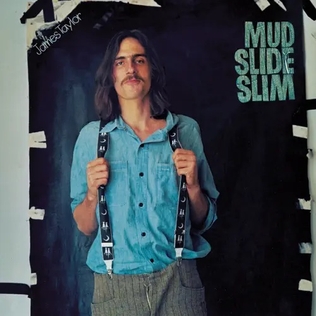
The most direct reference to Taylor comes in the line: “Pack your suspenders / I’ll come meet your plane.” In a 1988 Rolling Stone interview, Mitchell confirmed she wrote a song about Taylor mentioning his suspenders, widely understood to be “See You Sometime” JoniMitchell.com. This lyric has sparked debate, as Taylor’s 1971 album Mud Slide Slim and the Blue Horizon featured him wearing suspenders on the cover, released before For the Roses. Some fans on JoniMitchell.com speculate that Mitchell’s lyric was a playful nod to this image, not a response to it, as the timeline suggests her song came later. The line “No need to surrender / I just want to see you again” reinforces her desire for a casual reunion, free of expectations, a sentiment that aligns with her processing the end of their romance.
The Circumstances: A Breakup Amid Fame and Addiction
The specific circumstances behind “See You Sometime” are rooted in Mitchell’s 1970–1971 relationship with Taylor. Their romance began in a whirlwind of creative synergy. Taylor contributed guitar to Mitchell’s Blue album, notably on “A Case of You,” and they performed together at a 1970 benefit show in London, singing Taylor’s “You Can Close Your Eyes,” a song he wrote for her Rolling Stone. However, as Taylor’s fame grew, so did the pressures. His heroin addiction, detailed in sources like Wikipedia, created friction. Mitchell, who valued emotional openness, found herself sidelined as Taylor’s career and personal struggles took center stage.
By March 1971, their relationship unraveled. Mitchell was reportedly heartbroken, a sentiment that permeates For the Roses. “See You Sometime” captures a moment of reflection after this breakup, likely written in late 1971 or early 1972 as she prepared the album. The song’s production, with its gentle acoustic guitar and Mitchell’s soaring vocals, mirrors the introspective yet hopeful tone of her lyrics. Reviews from Rolling Stone praise the album’s emotional depth, with Stephen Davis noting Mitchell’s ability to explore varied perspectives within a single song Wikipedia. The track’s arrangement, featuring contributions from jazz musicians like Tom Scott, reflects Mitchell’s evolving sound, influenced by her personal turmoil.
Fan discussions on X and Reddit provide further insight. One X post describes “See You Sometime” as a “fare-thee-well to James Taylor that leaves their relationship open-ended,” highlighting its warm resignation Rolling Stone Australia. Reddit users echo this, noting the song’s universal appeal: “It’s about wanting to see someone again, even after it’s over, and that hits hard” r/LetsTalkMusic. These interpretations align with Mitchell’s own comments about the song’s personal significance, tying it to her experience with Taylor.
The Broader Impact: Mitchell’s Emotional Alchemy
“See You Sometime” is more than a breakup song; it’s a testament to Mitchell’s ability to transform pain into art. The final verse, “We’re in for more rain / I could sure use some sunshine on my apple trees / It seems such a shame / We start out so kind and end so heartlessly,” reflects her disillusionment with love’s fleeting nature. The “apple trees” metaphor evokes a longing for growth and renewal, contrasted with the “rain” of emotional hardship. This imagery, paired with “I couldn’t take them all on then / With a headful of questions and hypes,” suggests Mitchell’s struggle to navigate Taylor’s world of fame and addiction. Fans on SongMeanings praise this verse for its poetic universality, allowing listeners to project their own experiences onto the lyrics.
The song’s place in For the Roses underscores its significance. The album, recorded at A&M Studios in Hollywood, marked Mitchell’s first overt foray into jazz, as noted by the Library of Congress when it added the album to the National Recording Registry in 2007 Wikipedia. Other tracks, like “Cold Blue Steel and Sweet Fire,” also address Taylor’s addiction, but “See You Sometime” stands out for its softer, more reflective tone. Mitchell’s use of open guitar tunings, a hallmark of her style, adds a shimmering quality to the track, enhancing its emotional resonance JoniMitchell.com.
Mitchell’s broader influence during this period cannot be overstated. Her willingness to bare her soul, as seen in “See You Sometime,” inspired artists like Tori Amos, Fiona Apple, and Prince, who covered “A Case of You” Vice. Fan communities on X continue to celebrate her work, sharing photos from her Laurel Canyon days that capture the era’s bohemian spirit X posts. These images, often featuring Mitchell with her guitar or alongside peers like Taylor, enhance the song’s visual legacy for SEO purposes, making it a draw for readers searching for her story.
A Lasting Legacy
“See You Sometime” remains a gem in Joni Mitchell’s catalog, a snapshot of heartbreak and hope. Its inspiration—her romance with James Taylor—reflects a pivotal moment in her life, marked by love, loss, and artistic growth. The song’s lyrics, from the evocative “hotel room” to the tender “pack your suspenders,” reveal Mitchell’s ability to distill complex emotions into poetry. Verified by her own words and supported by fan insights on platforms like X and Reddit, the song’s connection to Taylor is clear, offering a window into her soul. As Mitchell continues to inspire new generations, with recent performances at the 2022 Newport Folk Festival and 2023 Gorge Amphitheatre JoniMitchell.com, her music remains a touchstone for those navigating love’s highs and lows.
Also, this is clearly, to Mitchell, the most important song on the album because of the cover, which shows her in the woods, on a boulder. She “runs in the woods, springs from the boulders like a mama lion.”


Related Posts





Latest Backstories
-
 Remembering Bob Weir: Grateful Dead Co-Founder and Rhythm Guitar Icon Passes at 78
Bob Weir, the charismatic rhythm guitarist, singer, and songwriter...
- January 11, 2026
-
 Big Yellow Taxi: Joni Mitchell’s Anthem of Loss and Realization
Joni Mitchell’s “Big Yellow Taxi,” released in 1970, is...
- August 2, 2025
-
 Backstory: The True Inspiration Behind James Taylor’s “You Can Close Your Eyes”
For such a short, simple song, this analysis is...
- July 14, 2025
-
 Unveiling the Story Behind Joni Mitchell’s “Blonde in the Bleachers”
Joni Mitchell, born November 7, 1943, remains a towering...
- July 14, 2025
-
 The True Story Behind Elton John’s “Someone Saved My Life Tonight”
Elton John, born March 25, 1947, crafted countless hits...
- July 14, 2025
-
 Joni Mitchell’s Romantic Muses: A Timeline of Love and Songs
Joni Mitchell, born November 7, 1943, crafted a legacy...
- July 13, 2025
0 comments