- Sierra Hull Shines Bright at Brown County Music Center with Milk Carton Kids
- Sax and Soul on the River: Jake Clemons’ Fiery Set at the Minnesota Yacht Club Festival
- Doobie Brothers Bring Classic Rock Fire to Ruoff Music Center – Concert Review and Photos
- Billy Idol Rocks Noblesville: A Night of Punk Energy at Ruoff Music Center
- Beck: The Cosmic Closer
- All American Rejects: The Emo Revival
Chicago (the band) Lights Up the Louisville Palace: A Horn-Fueled Night of Hits and Heart
This review of the band Chicago at the Louisville Palace on July 2, 2025, was a full-on blast from the past, packed with stories, killer horns, and songs that hit me right in the feels. I’m gonna take you through the show, the venue, the band, and all the little moments that made this night special, plus a bit about Chicago’s legacy and a couple of their rough patches. Buckle up, because this one’s a wild ride.
The Louisville Palace: The Most Beautiful Theater Around
Let’s start with the venue, because wow, the Louisville Palace is something else. I’m not kidding when I say it’s the most beautiful theater in the country, and I’ve been to many. You walk in, and it’s like stepping into a fairy tale—golden chandeliers sparkling, crazy intricate plaster designs on the walls, and a ceiling that looks like it belongs in a Spanish cathedral.
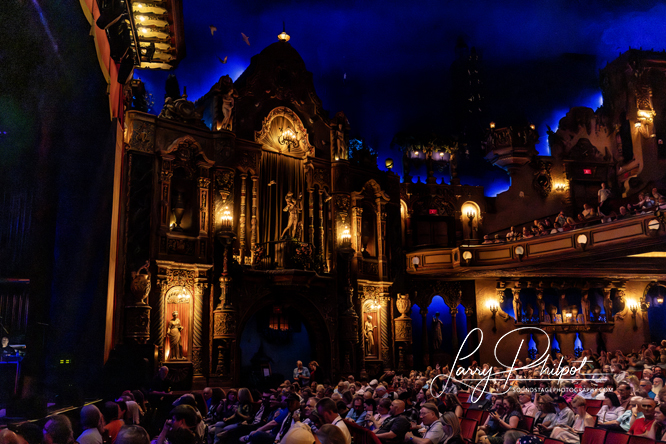
The deep red curtains and cozy vibe make the 2,700-seat space feel like you’re sharing a secret with everyone there. The sound system? Flawless. Every horn blast and vocal harmony came through crystal clear, which was perfect for a band like Chicago, whose big, brassy sound filled the place like it was built for them.
The Band: Who’s Rocking the Stage on this Tour in 2025
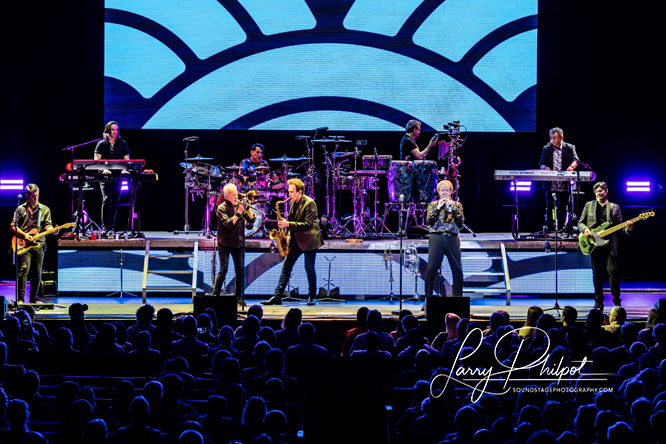
Chicago’s been going strong since 1967, and even with some lineup changes, they still bring that classic sound. One big note: original keyboardist Robert Lamm wasn’t at this show, replaced by Carlos Maguia on keyboards and vocals, who held it down like the pro he is. Here’s the full crew who played that night, with their instruments, ready to light up the Palace:
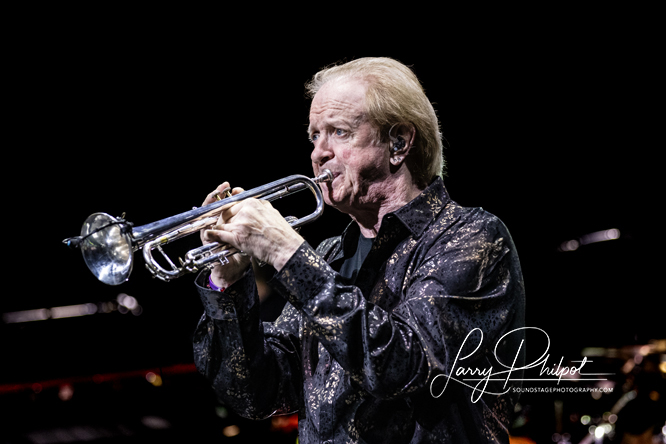
- Lee Loughnane (born October 21, 1946) – Trumpet, flugelhorn, vocals, wood block. A founding member, his horn work is pure Chicago magic.
- James Pankow (born August 20, 1947) – Trombone, cowbell. Another original, his trombone lines and goofy cowbell moments stole the show.
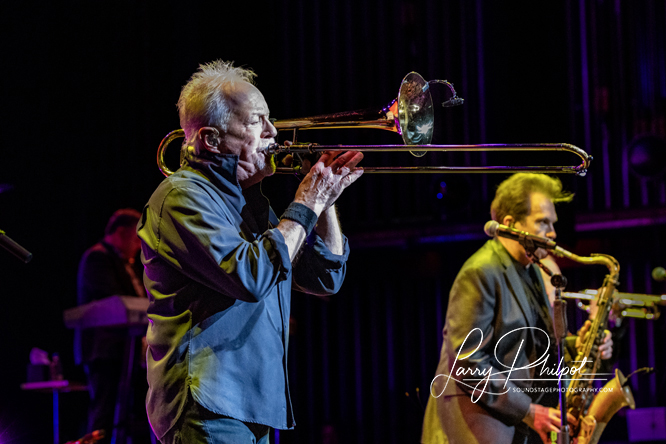
- Ray Herrmann – Saxophones, flute, clarinet, tambourine. His sax solos were fire, and he rocked that tambourine like nobody’s business.
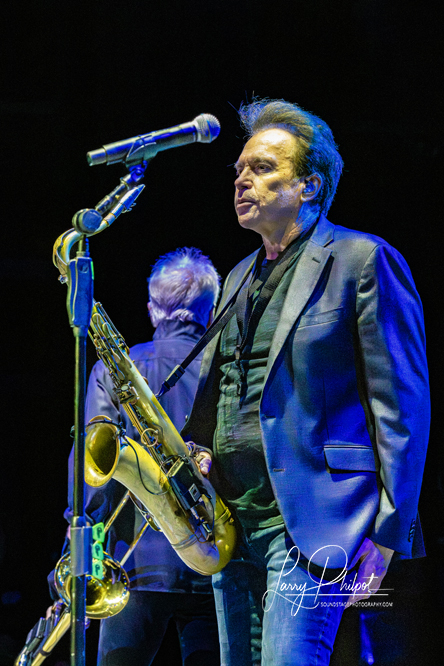
- Walfredo Reyes Jr. – Drums. This guy’s a powerhouse, keeping the beat tight and adding some flair.
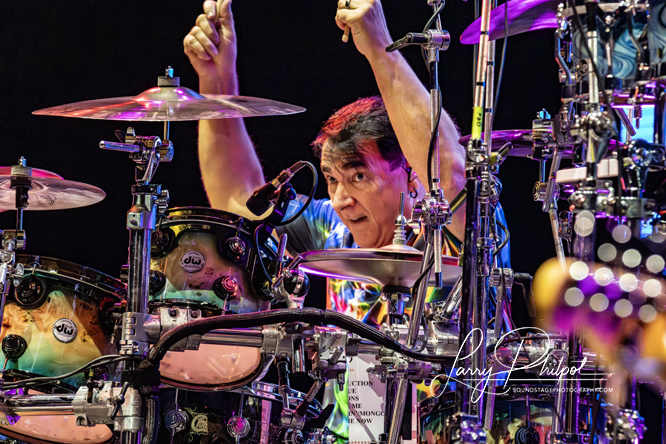
- Neil Donell – Vocals, guitar. His voice nailed those high notes that used to be Peter Cetera’s territory.
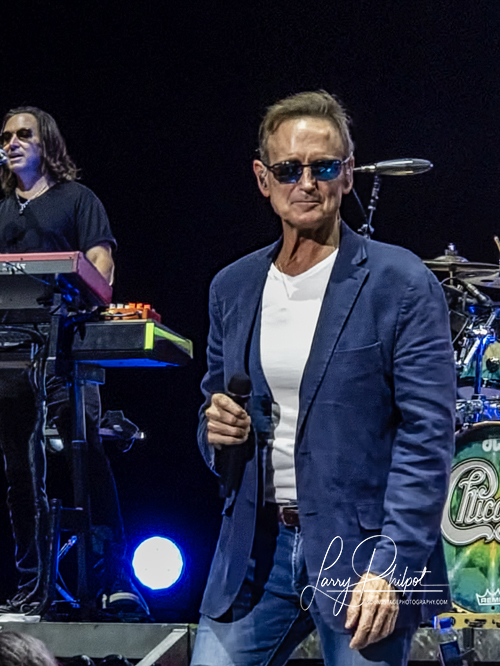
- Ramon “Ray” Yslas – Percussion. His congas and bongos brought the groove to another level.
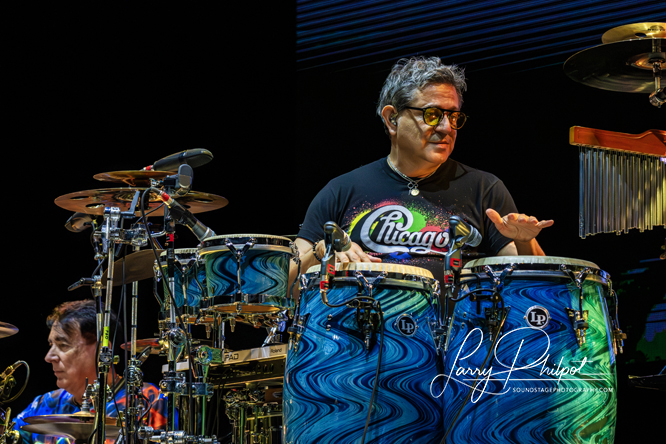
- Tony Obrohta – Guitar, vocals. He delivered killer riffs with a rock edge.
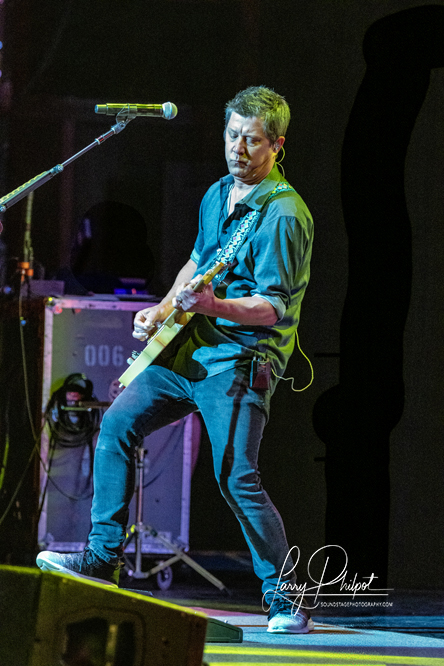
- Loren Gold – Keyboards, vocals. He meshed perfectly with Maguia, keeping the keys soulful.
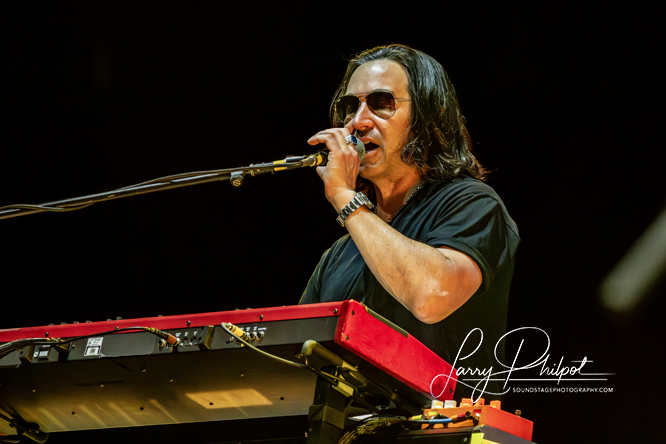
- Eric Baines – Bass, vocals. He locked in the low end, grounding every song.
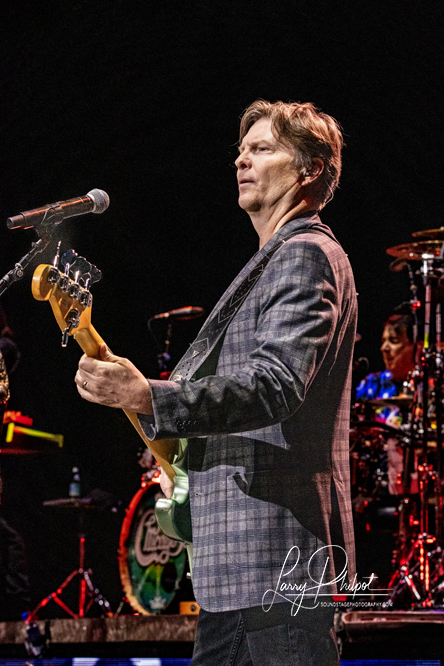
- Carlos Maguia – Keyboards, vocals. Stepping in for Lamm, he brought the energy and didn’t miss a beat.
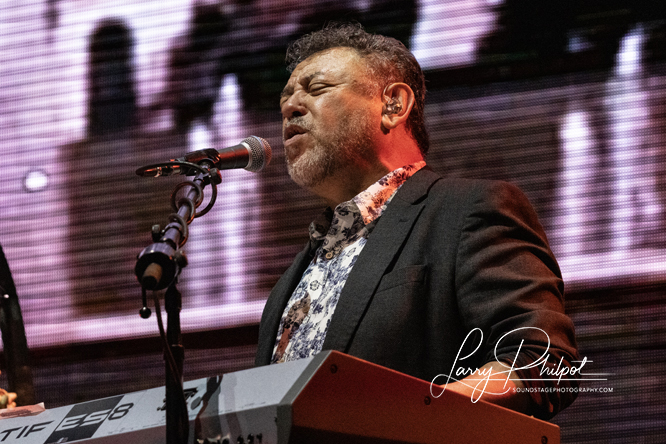
These guys were tight, and the horn section—Pankow, Herrmann and Loughnane—was the heart of it all, giving every song that rich, layered Chicago sound.
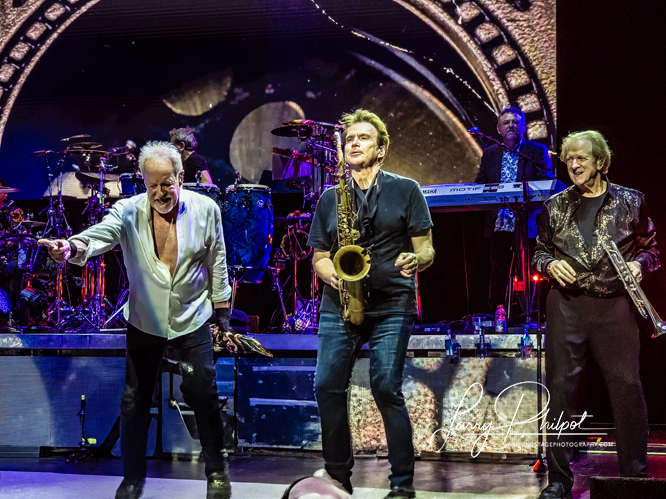
The Show: Two Sets of Hits and Heartfelt Stories
The concert was split into two sets with a 20-minute intermission, no opening act needed. Chicago came out hot, and the packed house was ready to eat it up. The vibe was electric, with fans of all ages singing along. Here’s how the night unfolded:
Set 1: Kicking It Off with Soul
They opened with Introduction, a jazzy banger that got the horns blaring right away. Carlos Maguia’s keys filled in for Lamm, and it felt just right. Dialogue followed, with Donell and Baines trading vocals like they were having a conversation. The crowd went nuts for Questions 67 and 68, with Donell hitting those high notes like a champ. Call on Me kept the party going, the horns adding that extra punch. Then they hit us with a medley of Searching/Mongo, Leave Me Now, and Ballet. The medley was a journey—Searching/Mongo had that Latin vibe, Leave Me Now got emotional, and Ballet showed off their jazz chops. The horns were the stars here, giving every song this rich, full sound that just filled the Palace.
Before the intermission, James Pankow took a moment to talk to the crowd. He shared stories about Chicago starting 58 years ago, playing R&B in sweaty clubs, and how grateful they are to still be out here touring. Lee Loughnane chimed in, telling us about their early days as “frightened young men” heading to New York City to record their first album. Those stories hit me hard—it’s wild to think about how long they’ve been at it, still playing with so much heart. Jimmy (Pankow) said that they’d be back in a few, and they were even going to do some songs from the 80s. This is a completely different story, if you watch BOTH the Chicago documentary and the documentary of David Foster “Off the Record.”
This is very important in the evolution of the band. After the passing of Terry Katz, the lead singer became Peter Cetera. Famous producer David Foster, with 16 Grammys and an ego bigger than the stage bonded with Cetera, and started writing songs and producing songs that didn’t include the horns. What?
Set 2: Hits, Horns, and a Whole Lotta Fun
After a quick 20-minute break (I grabbed a double bourbon and a tour shirt), the second set kicked off with Alive Again, which felt like a big, warm welcome back. Old Days had everyone swaying, the horns adding that perfect touch of nostalgia. Pankow gave a shout-out to the ‘80s, but not mentioning how producer David Foster teamed up with Peter Cetera back then and wrote songs that kinda pushed the horns aside. “Can you imagine Chicago without the horns?” With Chicago, the horns are everything! They proved it with Hard Habit and Inspiration (that’s You’re the Inspiration), which had snippets playing on the video screen all night, weaving through the show like a sweet reminder. Couples were holding hands, singing every word.
Beginnings was a standout, with the horns and guitars blending so smoothly. They threw in a Motown nod with Higher & Higher, which got the whole place dancing. Then came I’m a Man, which turned into a wild percussion solo with Reyes and Yslas going to town, and swapping places on the stage, without — excuse the pun– missing a beat. On a fun note, I laughed when Pankow grabbed a cowbell, Loughnane hit a wood block, and Herrmann shook a tambourine during the set—they’re so versatile, it was like watching a bunch of buddies goof off and still sound amazing. Or, they were making a point about Chicago with no horns, I can’t say. But, if you have spare time, both Documentaries and fabulous, even though they don’t have the same sets of facts.
The set wrapped with Just You and Me, a combo of Sorry/Getaway, Saturday (Saturday in the Park), and Stronger, each one a hit that had the crowd singing along.
Encore: The Big Finish
The encore was short but epic: Free into 25 or 6 to 4. That last one was pure fire—the horns, Obrohta’s guitar, and Donell’s vocals brought the house down. Everyone was on their feet, swaying and singing, and it felt like the perfect way to end a fun, energetic night that took me right back to my younger days.
Chicago’s Biggest Hits
Chicago’s got a catalog that’s been all over the radio and streaming platforms forever. Here are three of their biggest songs, based on airplay and streams, with the writers behind them:
- If You Leave Me Now – Written by Peter Cetera. This 1976 ballad was their first chart-topper and a Grammy winner.
- 25 or 6 to 4 – Written by Robert Lamm. A 1970 classic with that killer horn riff, it’s one of their most streamed tracks.
- Saturday in the Park – Written by Robert Lamm. This 1972 hit is all sunny vibes and still gets tons of love online.
Awards and Accolades
Chicago’s got some serious hardware. They’ve won two Grammys, including one for If You Leave Me Now in 1976. Their debut album, Chicago Transit Authority, got into the Grammy Hall of Fame in 2014. They were inducted into the Rock & Roll Hall of Fame in 2016, which shows how much they’ve shaped music. James Pankow and Robert Lamm were honored by the Songwriters Hall of Fame in 2017, and Pankow got a Lifetime Achievement Award from the International Trombone Association in 2020. In 2020, the band scored a Recording Academy Lifetime Achievement Award. With over 100 million records sold and 47 gold and platinum certifications, they’re the real deal.
Controversies: A Couple of Hiccups
Chicago’s mostly kept it drama-free, but they’ve had a few moments. Peter Cetera’s exit in 1985 was big news—fans weren’t thrilled with the band leaning into ballads during the ‘80s, especially since those songs, like Pankow mentioned, sometimes ditched the horns. In 2018, original drummer Danny Seraphine sued the band over the use of the Chicago name, claiming he still deserved a say even after leaving in 1990. It got settled quietly, but it made headlines. Fans have also griped about lineup changes over the years, like Jason Scheff (who replaced Peter Cetera and departed in 2016}, but this current crew is killing it live.
What Stood Out to Me
This show was a total home run. The horns were the real MVPs—Lee, Jimmy and Ray gave every song this rich, vibrant sound that just doesn’t get old. Their talent and musicality shone through, whether they were blasting through 25 or 6 to 4 or adding soul to You’re the Inspiration. I loved how they mixed in personal stories, like Pankow and Loughnane talking about their early days playing R&B in clubs and those nervous trips to NYC. It made the night feel so real, like we were all part of their journey. Seeing them goof around with a cowbell, wood block, and tambourine was just plain fun— it showed how versatile they are. The whole night was a trip down memory lane, packed with energy and all the hits I grew up loving.


Related Posts
Latest Backstories
-
 Remembering Bob Weir: Grateful Dead Co-Founder and Rhythm Guitar Icon Passes at 78
Bob Weir, the charismatic rhythm guitarist, singer, and songwriter...
- January 11, 2026
-
 Big Yellow Taxi: Joni Mitchell’s Anthem of Loss and Realization
Joni Mitchell’s “Big Yellow Taxi,” released in 1970, is...
- August 2, 2025
-
 Backstory: The True Inspiration Behind James Taylor’s “You Can Close Your Eyes”
For such a short, simple song, this analysis is...
- July 14, 2025
-
 Unveiling the Story Behind Joni Mitchell’s “Blonde in the Bleachers”
Joni Mitchell, born November 7, 1943, remains a towering...
- July 14, 2025
-
 The True Story Behind Elton John’s “Someone Saved My Life Tonight”
Elton John, born March 25, 1947, crafted countless hits...
- July 14, 2025
-
 Joni Mitchell’s Romantic Muses: A Timeline of Love and Songs
Joni Mitchell, born November 7, 1943, crafted a legacy...
- July 13, 2025
0 comments